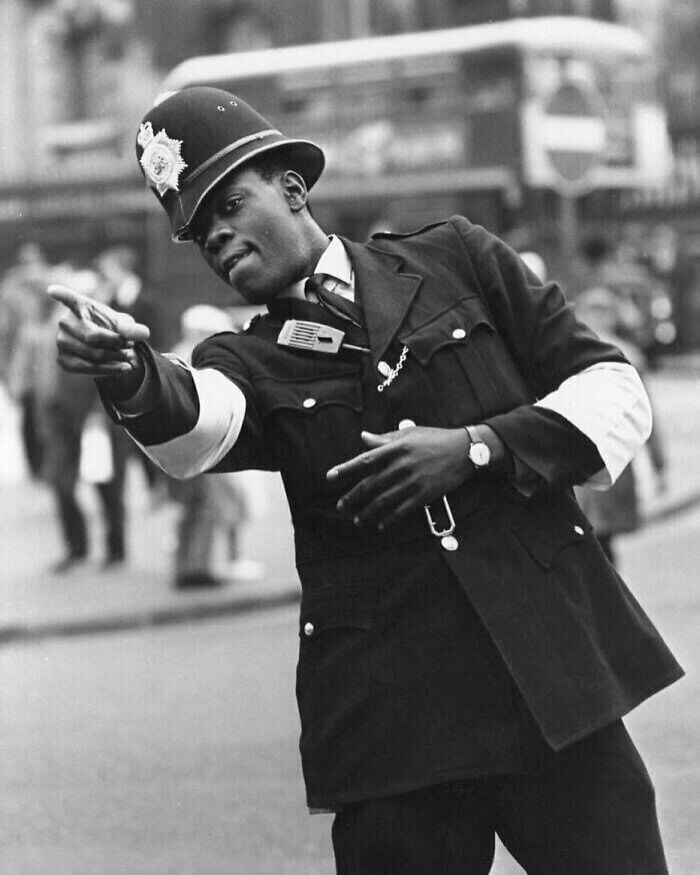
PugJesus@lemmy.worldM to [Dormant] moved to !historyphotos@piefed.social@lemmy.worldEnglish · 1 year agoLondon's first Black police officer, PC Norwell Roberts, 1968lemmy.worldexternal-linkmessage-square9linkfedilinkarrow-up1202arrow-down13
arrow-up1199arrow-down1external-linkLondon's first Black police officer, PC Norwell Roberts, 1968lemmy.worldPugJesus@lemmy.worldM to [Dormant] moved to !historyphotos@piefed.social@lemmy.worldEnglish · 1 year agomessage-square9linkfedilink
minus-squarePugJesus@lemmy.worldOPMlinkfedilinkEnglisharrow-up21arrow-down1·1 year agoCrazy to think that B&W photography was common (due to being cheaper), coexisting with color photography, all the way up to the digital age. All hail the digital age!
minus-squareRamblingPanda@lemmynsfw.comlinkfedilinkEnglisharrow-up7·1 year agoNow quality B&W film is way more expensive
minus-squarejqubed@lemmy.worldlinkfedilinkEnglisharrow-up7·1 year agoAlso easier to develop and process yourself than most color processes, so it could be done without going to a lab.
minus-squaredisguy_ovahea@lemmy.worldlinkfedilinkEnglisharrow-up5·1 year agoIt’s the preferred method of making a black and white print by photographers and artists. Monochromatic film yields far better results than printing a color negative on monochromatic paper.


Crazy to think that B&W photography was common (due to being cheaper), coexisting with color photography, all the way up to the digital age.
All hail the digital age!
Now quality B&W film is way more expensive
Also easier to develop and process yourself than most color processes, so it could be done without going to a lab.
It’s the preferred method of making a black and white print by photographers and artists. Monochromatic film yields far better results than printing a color negative on monochromatic paper.