

• 0 Posts
  • 44 Comments
Joined 1 year ago
cake
Cake day: March 31st, 2025

help-circle

  • it’s a type of heat engine. heat engines require temperature difference to work, and the lower it becomes, the less energy is there in the first place and a very fundamental limitation, that is carnot cycle efficiency, goes down very quickly. in practice, all heat exchangers have some thermal resistance, and the lower temperature gradient you can afford to use up on this, the bigger heat exchanger becomes, making low grade heat powerplants extremely big and expensive on top of barely generating any electricity

    i don’t think there’s a lot of energy to be squeezed from daily variations in air temperature vs lake temperature, you’d be better off just by using solar panels on the same area

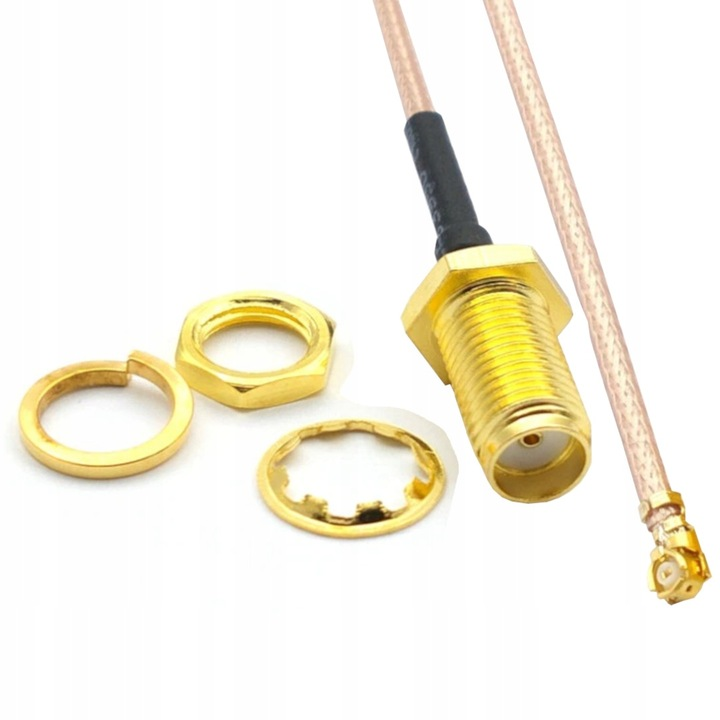


  • Mate do i have just the right thing for you, but it requires some soldering. It’s also probably cheapest solution working over longer range than you need

    First you need two directional antennas. Use this https://lea.hamradio.si/~s53mv/wumca/cup.html the 13cm design specifically. Design of the dipole element is on another page https://lea.hamradio.si/~s53mv/wumca/sbfa.html They’re using hard to get semirigid coax but you can really just use common RG178 with braid tinned to make it stiff. This way you don’t have to leave D section they way they did, you can just solder core to the shield at the end while preserving total length (or ~1-2 mm less, because wifi is slightly higher frequency; 53-52 mm total). That dummy cable thing can be just any stiff piece of wire. Good way to get this would be getting a pack of u.fl-SMA pigtails, which you can also use for connection.

    You also don’t need special aluminum housing like they do, cookie tin of the right size would be sufficient, or any other container of similar nature. If you can’t weatherproof it, putting it inside on windowsill is also fine

    Then, plug TL-WN722N into it, or some other single-antenna thing, and you’re set. This one connects over USB and has removable RPSMA antenna, so you can connect it easily with correct cable (SMA plug - RPSMA plug)

    to your new directional antenna. This thing works well over 200m distance, provided clear line of sight, and probably more than that