

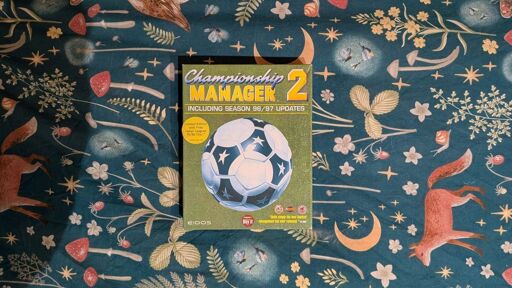
The book readers have it figured out. I listen to book podcasts and follow a lot of (I hate this word) bookstagrammers, and the turnover of a new year is the best time to do either of those things. This is because they’re all reviewing their reading goals for the year that was and the year to come. Did they finish the number of classics they’d hoped? Did they finish the bibliography of Ballard novels? And will next year be the year they really commit to #JanuaryInJapan, when all over the world people dedicate themselves to reading translated fiction from the country?
I wish we did more of the same in videogames. Our equivalent discourse gets as far as ranking the best games of the year that was, and then immediately moves on to anticipating the next year’s new releases, pre-emptively stuffing our backlogs with games we’ll rue not having had the time to play when the next year draws to a close. Couldn’t we set ourselves some more interesting constraints?
Everyone takes turns bringing in an old console and a game. Or a new console. Or a PC. Whatever.
Show and tell. Pick a save point, walk people through the narrative/gameplay, explain why you feel it’s such a compelling game.
I think this works better than actually handing off a game to a newbie and letting them dive in. I’ve quit so many games (looking at you Fallout and Skyrim) because they just didn’t spark my imagination. They started with slow grind and I didn’t see an end to the grind. But for a passionate voice of guidance, I might have finished those games.